Home Blog

Maximizing Kitchen Space: Smart Strategies for Toronto Homes

0

In Toronto, where space can often be limited, maximizing kitchen space is not just a luxury, it’s a necessity. Whether you’re working with a small condo kitchen or a compact area in a larger home, creating a kitchen that feels spacious and functions efficiently can significantly improve both the look and usability of your home. At Select Design Build, we specialize in transforming even the smallest kitchens into bright, functional spaces that work for your lifestyle.

Maximizing kitchen space doesn’t mean you have to settle for a cramped and chaotic environment. With the right design approach, you can create a room that feels larger and more organized without sacrificing style or functionality. Here are some strategies that will help you make the most of every inch in your kitchen.

The Importance of Layout: Open vs. Closed Design

When it comes to maximizing kitchen space, layout is key. An inefficient layout can make even the largest kitchen feel cramped. The goal is to create a layout that optimizes flow while minimizing wasted space.

In smaller kitchens, open layouts often work best. By removing unnecessary walls or barriers, you can create a sense of openness, allowing the kitchen to feel larger than it actually is. L-shaped layouts or peninsula designs are excellent choices because they maximize corner spaces and allow for easy access to all areas without obstructing traffic flow.

Key Points for Effective Layouts:

  • L-shaped layouts work well in corners and make use of two adjacent walls.
  • Peninsula designs provide extra counter space without crowding the room.
  • Removing or reducing unnecessary walls can open up the space and allow for better flow.

The Power of Custom Storage Solutions

Efficient storage is crucial for maximizing kitchen space, especially in smaller kitchens where every inch counts. Traditional cabinets often waste valuable space, particularly in corners or along walls. Custom cabinetry solves this problem by making use of every corner and vertical space. Features like pull-out shelving make it easier to access pots and pans, while corner cabinets with lazy Susans utilize often-neglected spaces. Drawer dividers and organizers also help keep utensils and tools neatly arranged and easily accessible. By investing in these custom storage solutions, you not only enhance the functionality of your kitchen but also reduce clutter and free up valuable counter space, creating a more organized and efficient cooking environment.

Maximizing Kitchen Space Through Lighting and Color

Proper lighting and color choices can make a world of difference in how spacious your kitchen feels. In small kitchens, lighting is particularly crucial for both functionality and visual appeal. Bright, even lighting enhances the room’s appearance and can create the illusion of more space.

Lighting Tips for Maximizing Kitchen Space:

  • Under-cabinet lighting: Provides additional light to your work surfaces and brightens up the space.
  • Pendant lights: Add style while creating focused lighting in key areas, like the island or dining nook.
  • Recessed lighting: Perfect for a clean look that doesn’t take up visual space.

Additionally, color plays a huge role in maximizing kitchen space. Lighter tones such as whites, light grays, or pastels reflect more light and create the illusion of more space. Dark colors, while beautiful, can sometimes make small kitchens feel even more enclosed.

Recommended Colors for Small Kitchens:

  • Soft whites and creams
  • Light grays and pastel blues
  • Subtle beiges or warm neutrals

Space-Saving Appliances That Don’t Compromise Functionality

When maximizing kitchen space, it’s essential to choose appliances that suit your available room. In a smaller kitchen, larger appliances can quickly dominate the space, making it feel cluttered and cramped. Opting for compact versions of essential kitchen appliances can free up valuable real estate while still offering all the functionality you need.

Top Appliances for Small Kitchens:

  • Counter-depth refrigerators: Designed to fit seamlessly within your cabinetry, saving precious space.
  • Slim dishwashers: Perfect for apartments and smaller homes, offering all the efficiency of a standard dishwasher without taking up too much room.
  • Induction cooktops: These cooktops save space while providing fast and efficient cooking, especially for homes with limited counter space.

Looking for more ways to increase your kitchen’s efficiency? Our Energy-Efficient Building Upgrades service helps integrate sustainable, energy-saving solutions into your kitchen renovation.

Storage Maximization Table: Ideas for Custom Solutions

Storage SolutionBenefitWhy It’s Effective
Floor-to-ceiling cabinetryUses vertical space for extra storageMaximizes available wall space while keeping the kitchen organized
Pull-out pantry shelvesEasy access to dry goods and small itemsEliminates deep, hard-to-reach cabinets, keeping everything accessible
Corner pull-out racksMaximizes corner space where cabinets usually waste spaceAllows you to fully use the kitchen’s corners, making the space more efficient
Drawer dividersOrganizes utensils, cutlery, and kitchen toolsReduces clutter and keeps the kitchen tidy

By implementing these simple solutions, you’ll immediately notice improvements in both the organization and efficiency of your kitchen.

Furniture That Doubles as Storage

To make the most of your kitchen’s limited space, consider multi-functional furniture. When every square foot counts, pieces that combine storage with functionality can be a game-changer.

Multi-Functional Furniture Ideas:

  • Kitchen islands with built-in storage: Islands are perfect for adding both prep space and extra storage for pots, utensils, or even small appliances.
  • Foldable tables or drop-leaf tables: These are great for creating dining space when needed but can be tucked away when not in use.
  • Bar carts or movable kitchen trolleys: These can provide extra prep space or storage and be moved around as needed.

These multi-functional furniture pieces can help keep your kitchen organized, efficient, and more spacious.

Conclusion

Maximizing kitchen space is all about thoughtful planning and making smart choices. From layout adjustments and custom cabinetry to lighting and multi-functional furniture, there are numerous ways to optimize your kitchen for both function and style. At Select Design Build, we specialize in custom home renovations that allow you to make the most out of every square foot.

By working with our expert team, you can transform your small kitchen into a spacious, efficient area that meets your needs and enhances your lifestyle. Visit our site to learn more about our services and how we can help you create the kitchen of your dreams.
How to Choose the Perfect Lighting for Your Home

0

Lighting is one of the most crucial elements in creating a welcoming and functional home environment. It influences the mood, sets the tone for your space, and plays a significant role in both style and functionality. Choosing the right lighting is not just about brightness, but also about enhancing the ambiance and making sure your home feels comfortable and inviting. Whether you’re designing a modern living room, a cozy bedroom, or a stylish kitchen, the right lighting can elevate the look and feel of every room. In this guide, Lusso Modern Home explore how to choose the perfect lighting for your home, taking into account your style preferences, room functionality, and the type of atmosphere you wish to create. With the variety of options available, including modern lighting designs and luxury lighting fixtures, it’s essential to understand the different lighting types and how they can be used effectively.

1. Understand the Three Types of Lighting

Before you begin choosing the perfect lighting, it’s important to understand the three main types of lighting that should be incorporated into each room: ambient, task, and accent.

  • Ambient Lighting: This is your room’s primary source of light, providing overall illumination. It creates a soft, uniform light that allows you to see the entire room without straining your eyes. Recessed lights, chandeliers, and pendant lights are all common examples of ambient lighting.
  • Task Lighting: Task lighting is focused on specific areas where activities are performed, such as reading, cooking, or working. Desk lamps, under-cabinet lighting, and vanity lights are excellent examples of task lighting.
  • Accent Lighting: Accent lighting is used to highlight specific areas or features in your room, such as artwork, architectural details, or plants. It’s meant to add drama and visual interest to the space. Wall sconces, spotlights, and track lights are ideal for accent lighting.

Incorporating all three types of lighting in each room ensures a well-balanced, functional, and visually appealing space.

2. Consider the Function of the Room for Choosing Light

The function of each room will significantly influence the type of lighting you choose. A kitchen, living room, bedroom, or bathroom each has different lighting needs.

  • Living Room: In your living room, ambient lighting should be the main focus, with task lighting available for activities like reading or watching TV. Modern floor lamps and table lamps can provide additional lighting for reading or cozy nights.
  • Kitchen: For kitchens, bright, focused task lighting is essential. Under-cabinet lighting and pendant lights above the kitchen island are practical choices for food preparation and cooking. Recessed lighting or track lights can provide overhead illumination.
  • Bedroom: In bedrooms, soft and warm ambient lighting is important to create a relaxing and restful atmosphere. Consider a modern chandelier or pendant lights that provide a gentle glow. Task lighting can be added with bedside lamps or reading sconces.
  • Bathroom: The bathroom needs both bright task lighting for grooming tasks and softer ambient lighting for relaxation. Vanity lights are perfect for above the mirror, while recessed lighting can help illuminate the rest of the space.

When shopping for modern lighting Toronto or luxury lighting stores, think about each room’s primary function to determine the correct lighting balance.

3. Choose a Lighting Style That Matches Your Decor

Lighting fixtures come in a wide variety of styles, from sleek and modern to traditional and ornate. The style of your lighting should complement the overall design of your home.

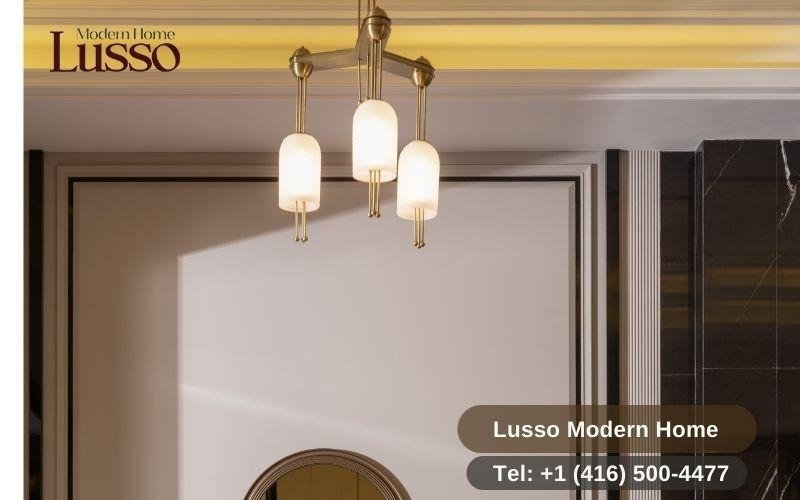
  • For a modern home, look for clean, minimalist designs with simple lines and a focus on functionality. Fixtures such as sleek pendant lights, chandeliers, and modern floor lamps can make a bold statement while offering versatile lighting solutions.
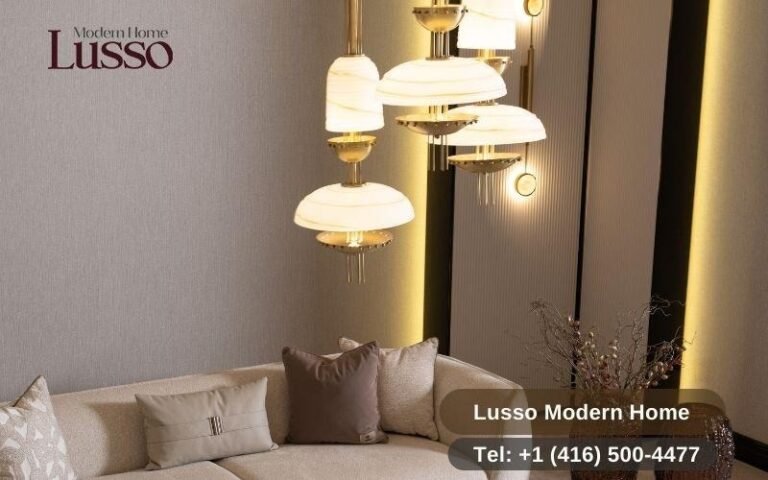
  • If you prefer a luxury home furniture style, consider more intricate lighting options, such as crystal chandeliers or gold-accented sconces, which add a touch of elegance and sophistication. These types of luxury lighting fixtures can serve as both functional lighting and a decorative feature.
  • For a transitional style, opt for lighting that combines traditional and contemporary elements, such as a modern chandelier with a traditional finish, or pendant lights that feature both wood and metal elements.

When browsing furniture stores Toronto, focus on lighting that enhances the mood of your space and blends seamlessly with your furniture, colours, and other design elements.

4. Pay Attention to Light Bulbs and Colour Temperature

Choosing the right light bulbs is crucial for achieving the perfect lighting effect. The color temperature of a light bulb will affect the warmth or coolness of the light in your room.

  • Warm white light (2700K to 3000K) creates a cozy, inviting atmosphere, making it ideal for living rooms, bedrooms, and dining rooms. It adds a soft, yellowish glow to the room, perfect for relaxation and casual settings.
  • Cool white light (3500K to 4100K) is brighter and more energizing, making it suitable for kitchens, bathrooms, and workspaces. It provides a clean, crisp light for tasks that require focus.
  • Daylight (5000K to 6500K) mimics natural sunlight and is ideal for areas where you need high visibility, such as garages, offices, or art studios.

5. Layer Your Lighting for Flexibility

One of the best ways to create a versatile and functional lighting plan is by layering different light sources in each room. Layering your lighting allows you to adjust the brightness and atmosphere depending on your needs. For example, in your living room, start with ambient lighting from a modern chandelier or recessed lights to provide general illumination. Then, add task lighting like floor lamps or table lamps for reading or activities. Finally, use accent lighting to highlight artwork, plants, or architectural features.

This combination of layered lighting allows you to create the perfect environment for any occasion, whether you’re relaxing, entertaining, or working.

6. Consider Energy Efficiency

Energy-efficient lighting is not only better for the environment, but it can also help reduce your electricity bills. When choosing lighting fixtures, look for energy-efficient options, such as LED bulbs, which use less energy and last longer than traditional incandescent bulbs.

Many modern lighting designs now incorporate LED technology, allowing you to have both stylish and sustainable lighting solutions in your home. 

Conclusion

Lighting is an essential element in creating the perfect atmosphere in your home. By understanding the different types of lighting, selecting the right style and functionality for each room, and layering your lighting sources, you can design a space that is both beautiful and practical.

Whether you’re looking for modern lighting Toronto, luxury lighting stores, or modern furniture that enhances your home’s aesthetic, the right lighting will make all the difference. Take the time to choose lighting that reflects your personal style and meets your practical needs, and you’ll create a space that’s warm, inviting, and functional for years to come.